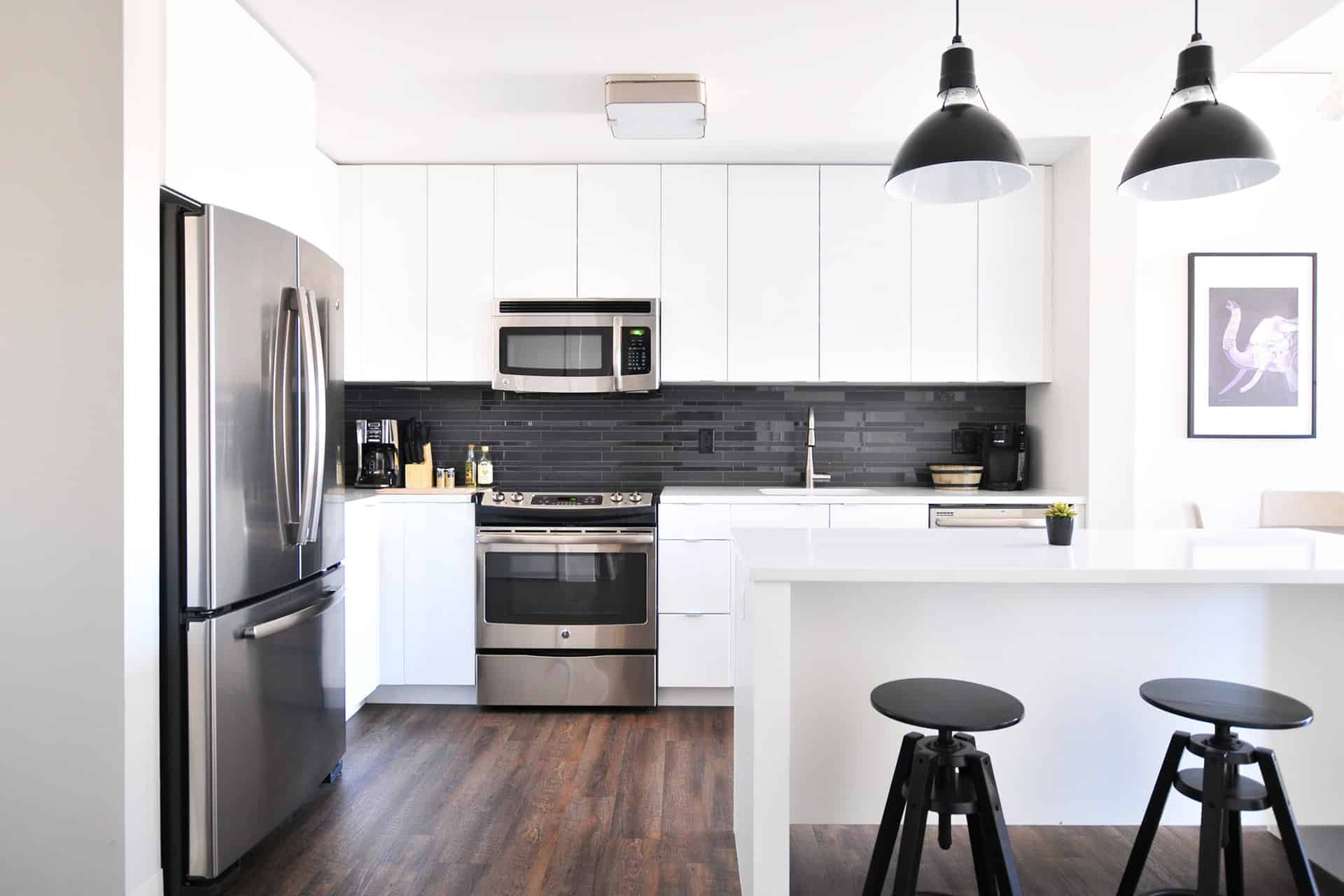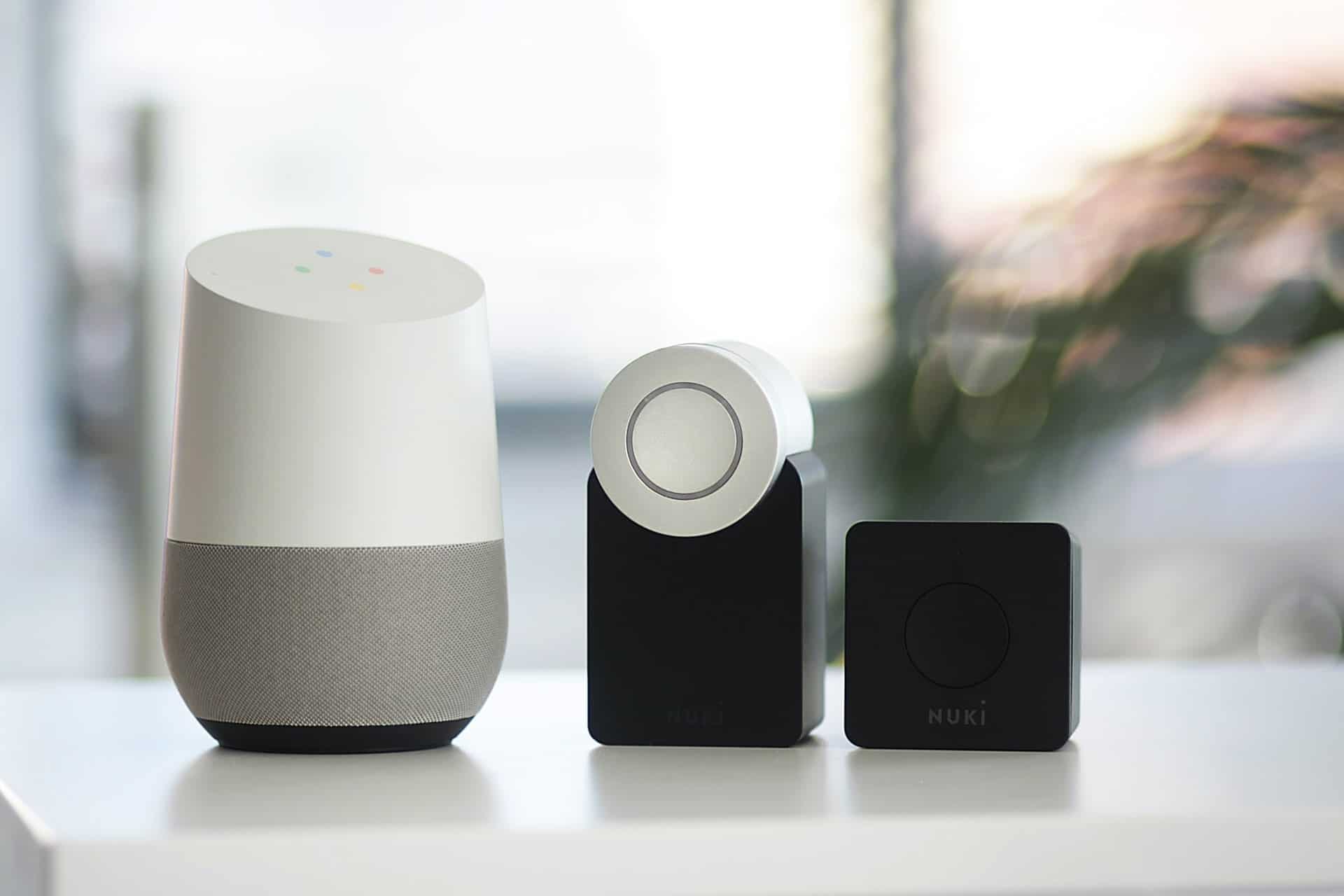
The number of smart devices in the home has been a lot. Sweeping robot, smart socket, smart light bulb, temperature and humidity sensor, intelligent switch, intelligent door lock, and access to the App air purifier, individually look at each have a reason to buy, put together to find that really every day will be used in fact few.
The cleaning robot is the most frequently used, and after the regular cleaning is set, there is no extra worry. Smart door locks are really convenient, go home without turning over the key, temporarily set a password for the family is also easy. Smart outlets can occasionally come in handy, for example, to set a timer for devices that aren’t always powered on, or to remotely check if the power is off when you leave the house.
The smart home in the home, how much automation is really used
The rest of the devices are more awkward. The smart bulb is very interesting to install, you can adjust the brightness, color temperature, but also with the scene mode automatic switch. After really live in, usually reach out to press the switch faster, voice control has not formed a habit. The temperature and humidity sensor will often open the App to see data at the beginning, and rarely open it after a while. The air purifier is always running, but most of the time you just press the switch on the machine, and you can’t remember that there is an App.
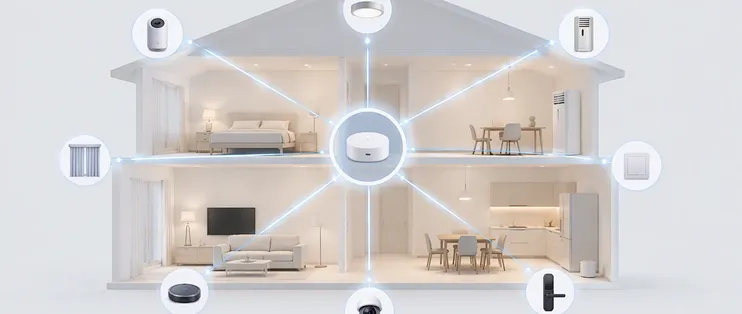
When buying a smart home, the most attractive part has always been the linkage between devices. After returning home, the door lock is recognized to open the door, the porch light automatically lights up, the air conditioning is opened in advance, the curtains are slowly drawn, and the speakers begin to play music. Turn off one light while you sleep, and the rest of your devices follow. While this looks easy, setting it up often takes a lot of time.
The first step is to connect the different devices to the same platform and make sure they can recognize each other. How to set the trigger conditions of the sensor, how to arrange the sequence of the execution of the action, and how to complete the judgment of leaving home and returning home, all need a little adjustment. Sometimes when a device gets a firmware upgrade, the automation that works well breaks. Family members change phones, change a network, the device may also require re-binding.
At the end of the day, the automation that many people end up with is pretty simple. The lights are automatically turned off at 11 o ‘clock in the evening, the curtains are opened at 7 o ‘clock in the morning, the air purifier runs regularly, and the sweeping robot cleans at a fixed time. They do work, but there are far fewer scenarios that actually work over the long term than the house-wide linkages you initially imagined.
Voice control also counts as part of a smart home. Shouting to turn on the lights and turn off the air conditioner is sometimes easier than finding the switch, especially if you’re holding something in your hand. But usually really use up, many people will still directly press the switch, or take the mobile phone point. The ability of the device to understand, the speed of response, and the willingness of family members to follow along can all affect whether a feature can stay.
I now think that the key to the usefulness of smart homes is whether automation can eliminate a whole set of operations. It’s convenient to press the button a few times a day, but if you have to spend half an hour setting up the device to make it work, and then you have to check it constantly to see if it’s working, the experience will be reduced. Automation should make life easier, not just another system to maintain in your home.
The smart home in the home, how much automation is really used
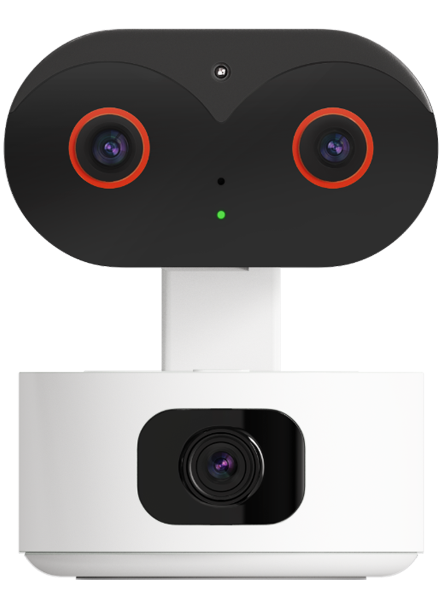
Of course, there are also people who have played the linkage very mature. Some people use body sensors with lights, so that different rooms automatically light up according to whether people are present or not. Someone connected door locks, cameras, and lights together to perform different scenes when returning home and leaving home. Others control air conditioners and dehumidifiers according to time, weather, and indoor temperature and humidity. This setup is certainly more interesting than a separate timer, and it’s closer to what everyone originally imagined about a smart home.
How many smart devices are really used in the home every day? How many automation scenarios did you write, and how many did you end up with? Do you usually use the timing function, voice switch, or are you already using the linkage between body sensors, door locks, lights, and air conditioning?
If your home has a smart home linkage that has been running steadily, you are welcome to share the specific practices. Chat about which scenario is most useful, which is the most cumbersome to set up, or whether there was any automation that was turned off after a while.